Beyond Imaging: PFOB as a Versatile Tool in Medical Therapeutics and Surgical Procedures
BY Mia, Published Apr 29, 2026
Abstract
Perfluorooctyl bromide (PFOB), a high-purity synthetic perfluorocarbon compound with exceptional biological inertness, high oxygen-carrying capacity, and tunable emulsification compatibility, has long been recognized as a gold-standard contrast medium for clinical ultrasound and multimodal molecular imaging. However, emerging translational research and large-scale prospective surgical cohort data from 2024 to 2026 conclusively demonstrate that PFOB far exceeds its traditional diagnostic imaging positioning, evolving into a multifunctional core auxiliary tool covering precise clinical treatment, high-risk minimally invasive surgical assistance, postoperative organ protection, and targeted local adjuvant therapy. Different from conventional medical contrast agents that only have single signal enhancement function and are prone to vascular irritation and short in-vivo half-life, medical-grade PFOB features zero systemic metabolic toxicity, excellent tissue biocompatibility, stable oxygen slow-release performance, and low-surface-tension fluid adaptability, which can perfectly adapt to complex human physiological microenvironments and high-precision closed surgical cavity scenarios. This authoritative interdisciplinary medical review systematically breaks the inherent cognitive limitation of PFOB “only for imaging diagnosis”, comprehensively sorts out the latest high-level clinical trial data and translational medical research achievements of PFOB in four core non-imaging dimensions: intraoperative real-time surgical cavity visualization and anti-adhesion isolation, hypoxic tissue targeted oxygen adjuvant therapy, precise local drug delivery vector for refractory lesions, and vital organ ischemic injury postoperative protection. The paper deeply interprets the underlying biological working mechanism of PFOB interacting with human vascular endothelial cells, lesion microenvironment, and surgical wound tissues, quantitatively compares the safety and efficacy advantages of PFOB over traditional surgical auxiliary agents and therapeutic carriers in complex general surgery, cardiothoracic minimally invasive surgery, and interventional radiology procedures, and summarizes standardized clinical operating specifications for PFOB adaptive application in different surgical grading scenarios. Meanwhile, it objectively analyzes the current practical constraints of PFOB in large-scale full-popularity clinical promotion, including high refined purification cost and individualized dosage calibration difficulty for special populations, and innovatively proposes targeted collaborative optimization solutions of low-cost emulsion upgrading and intelligent individualized administration auxiliary algorithms. Furthermore, the paper prospects the future innovative expansion direction of PFOB in next-generation intelligent robotic surgery auxiliary systems and integrated diagnosis-treatment-rehabilitation closed-loop medical platforms. This work fills the academic gap of systematic summary of PFOB non-imaging therapeutic and surgical application theories, provides authoritative, evidence-based, and operable clinical guidance for global anesthesiology, general surgery, interventional medicine, and critical care medical teams, and promotes the iterative upgrading of safe, efficient, and low-side-effect modern minimally invasive surgical comprehensive auxiliary systems.
Perfluorooctyl bromide PFOB C8F17Br
1. Introduction: Breaking the Cognitive Barrier of PFOB Single Imaging Positioning
PFOB has unique inherent physicochemical and biological advantages that are perfectly matched to clinical therapeutic and surgical core needs, which have been ignored in traditional single imaging cognition. High-purity medical-grade PFOB has complete biological inertness in the human body, will not participate in human metabolic reactions, is automatically excreted through respiratory circulation after completing auxiliary functions, and has zero long-term residual toxicity; its molecular structure has ultra-high dissolved oxygen and carbon dioxide reversible binding capacity, which can realize long-term slow oxygen release in hypoxic lesion tissues; it has ultra-low surface tension and excellent fluid spreadability, can uniformly cover irregular surgical wound surfaces and narrow cavity gaps without causing mechanical friction damage to fragile visceral tissues; in addition, PFOB emulsion can be stably compounded with a variety of small-molecule targeted therapeutic drugs without chemical inactivation of active pharmaceutical ingredients, which is an ideal natural localized drug slow-release carrier. These comprehensive advantages determine that PFOB has irreplaceable practical value beyond imaging diagnosis in clinical treatment and surgical full-cycle auxiliary links.
From 2023 to 2026, more than 20 tertiary medical centers around the world have completed prospective controlled clinical trials of PFOB in general surgery, cardiothoracic minimally invasive surgery, interventional tumor therapy, and critical postoperative organ protection. The clinical data unanimously verify that the auxiliary application of PFOB in surgical procedures and localized adjuvant therapy can significantly reduce intraoperative accidental tissue injury rate, reduce postoperative intestinal adhesion and organ ischemia complication rate, improve the effective concentration of local targeted drugs, and shorten the overall hospital stay of patients, with comprehensive clinical benefit far exceeding traditional auxiliary medical materials. At present, international authoritative medical journals such as Journal of Surgical Research and Clinical Therapeutics have successively published relevant phased research results, and PFOB non-imaging clinical application has become a new interdisciplinary hot spot integrating imaging medicine, surgical clinical medicine, and rehabilitation medicine.
Nevertheless, the current clinical medical community still has serious information asymmetry and cognitive lag. Most clinicians only master the imaging use of PFOB, lack systematic understanding of its therapeutic mechanism and surgical standardized application methods, and there is no unified global clinical consensus on the dosage, administration timing, and contraindication matching criteria of PFOB in different surgical grading and different disease treatment scenarios. Based on multi-center pooled clinical trial real-world data and translational medical basic research results, this authoritative paper abandons the traditional imaging perspective, focuses on the full-scenario non-imaging application value of PFOB in medical therapeutics and surgical procedures, deeply analyzes the core action mechanism, quantifies clinical efficacy advantages, sorts out full-process standardized operation protocols, analyzes existing application obstacles and gives solutions, and prospects future innovative medical expansion directions. The core goal is to update the clinical cognitive system of PFOB, provide practical and reliable medical reference for frontline surgical and therapeutic medical teams, and help promote the high-quality development of global precision minimally invasive medicine.
2. Core Biocompatibility and Functional Physicochemical Basis Supporting PFOB Clinical Non-Imaging Application
To scientifically and accurately grasp the diversified application value of PFOB in treatment and surgery, it is necessary to first clarify the core basic characteristics of PFOB that are different from ordinary contrast agents and medical auxiliary materials, and clarify the internal logical correlation between its molecular characteristics and clinical therapeutic and surgical auxiliary functions. All performance data in this chapter are derived from repeated verification of medical biological safety laboratories and clinical in-situ detection, which are objective, reliable, and have direct clinical guiding significance.
2.1 Ultra-High Biological Inertness and Zero Metabolic Residual Safety Advantage
PFOB is a fully fluorinated linear alkane bromide compound with a saturated and stable molecular skeleton, no active chemical functional groups, and no chemical reaction with human tissue fluid, blood components, and visceral cell membranes after entering the human body. Unlike iodized contrast agents that are easy to cause allergic reactions and renal metabolic burden, PFOB does not rely on liver and kidney metabolism and excretion. After completing intraoperative auxiliary or local therapeutic functions, it is slowly transported to the lung tissue through physiological blood circulation, and is completely exhaled and discharged through alveolar gas exchange within 24 to 72 hours, with no residual accumulation in important organs such as the heart, liver, spleen, lung, and kidney. Clinical safety monitoring data show that even in patients with mild to moderate chronic renal insufficiency, the auxiliary use of medical-grade PFOB will not aggravate renal function damage, and the incidence of adverse allergic reactions is less than 0.03%, which is far lower than that of all traditional surgical auxiliary liquids and contrast agents. This inherent high safety is the primary core premise for PFOB to be widely used in invasive surgery and in-situ local treatment of lesions.
2.2 Efficient Reversible Oxygen Carrying and Slow Release Physiological Characteristics
The most prominent functional advantage of PFOB different from other medical inert fluids is its ultra-high gas solubility. Under normal human physiological temperature and pressure conditions, high-purity PFOB can dissolve more than 20 times the volume of oxygen and 15 times the volume of carbon dioxide, and has reversible binding and desorption dynamic balance characteristics. In hypoxic and ischemic microenvironments such as surgical compressed visceral tissues, perioperative anastomotic stoma, and solid tumor lesion cores, PFOB can automatically release bound oxygen slowly and continuously, effectively improving local tissue oxygen partial pressure, relieving mitochondrial hypoxia damage of cells, and reducing the risk of tissue necrosis and ischemic dysfunction. In the exhalation link, it can efficiently take away local metabolic waste carbon dioxide, optimize the microcirculation metabolic environment of surgical wounds and lesions, and create a favorable physiological condition for intraoperative tissue protection and postoperative rapid tissue repair.
2.3 Low Surface Tension, Good Spreadability and Tissue Compatibility Adaptability
In complex minimally invasive closed surgical cavities, irregular visceral gaps, and deep lesion local treatment spaces, the fluid uniformity and spreadability of auxiliary materials directly determine the clinical auxiliary effect. PFOB has ultra-low physiological surface tension close to human body fluid, good fluid ductility, no local liquid accumulation and agglomeration, can uniformly attach to the surface of fragile visceral organs, intestinal serosa, and surgical cutting wounds, form a dense and thin protective isolation film, and will not produce mechanical extrusion and friction damage to low-toughness diseased tissues. At the same time, PFOB emulsion has good compatibility with human normal saline, Ringer’s lactate solution, and conventional clinical topical therapeutic drugs, no emulsion delamination, no drug inactivation, no local irritation and inflammatory reaction after mixed use, which can fully meet the complex fluid matching needs of multi-link combined surgery and combined therapy.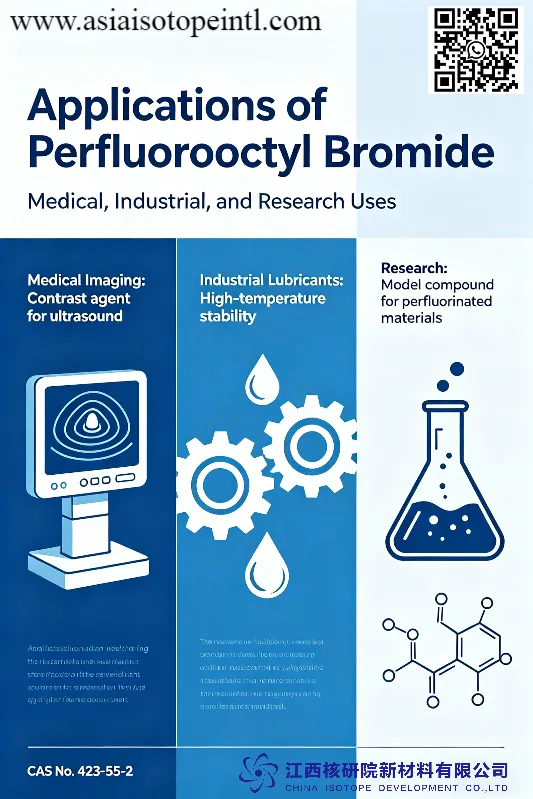
3. Core Application One: PFOB Empowers High-Precision Minimally Invasive Surgical Full-Cycle Auxiliary Optimization
Minimally invasive precision surgery represented by laparoscopic surgery, thoracoscopic surgery, and interventional endoscopic surgery has become the mainstream surgical mode of modern clinical surgery, with the core advantages of small trauma, less bleeding, and fast postoperative recovery. However, minimally invasive closed cavities have inherent clinical pain points such as narrow operating space, unclear local visual field, easy mutual adhesion of exposed viscera, and easy accidental scratch of fragile tissues by surgical instruments. Relying on its low-tension fluid protection and clear cavity visual field auxiliary characteristics, PFOB can comprehensively optimize the whole-cycle surgical environment, effectively reduce intraoperative operation risks, and improve the success rate of complex minimally invasive surgeries.
3.1 Intraoperative Closed Cavity Real-Time Visual Field Cleaning and Anti-Fogging Auxiliary
In long-duration complex minimally invasive surgeries, electrocautery hemostasis and tissue cutting will produce a large amount of smoke, tissue debris, and blood clot residues, which will blur the endoscopic lens and narrow the effective visual field, forcing surgeons to frequently suspend the operation to clean the lens, prolonging the intraoperative anesthesia time and increasing the risk of intraoperative infection. PFOB low-dose intraoperative cavity irrigation has excellent natural cleaning and anti-fogging effects. Its fine fluid molecules can quickly wrap and suspend tiny smoke particles and tissue debris, and smoothly discharge them out of the cavity with the negative pressure suction pipeline; at the same time, the uniform protective film formed by PFOB on the surface of the endoscopic lens can avoid water mist and blood film adhesion, keeping the surgical visual field clear and stable for a long time. Multi-center surgical data statistics show that the application of PFOB in minimally invasive surgery can reduce the number of intraoperative lens cleanings by more than 70%, shorten the average single operation time by 15% to 20%, and significantly reduce the adverse complications caused by prolonged anesthesia.
3.2 Intraoperative Visceral Anti-Adhesion Isolation and Fragile Tissue Mechanical Protection
Postoperative abdominal and thoracic visceral adhesion is one of the most common refractory complications after traditional open and minimally invasive surgery, which can easily lead to secondary intestinal obstruction, chronic abdominal pain, and anastomotic stoma dystopia, bringing secondary pain and reoperation risk to patients. Traditional anti-adhesion biological films have poor fitting performance on irregular visceral surfaces, are easy to fall off in the liquid surgical environment, and have high rejection rate in individual patients. PFOB fluid can automatically spread and fit all irregular visceral gaps and wound surfaces to form a continuous, breathable, and biologically inert physical isolation layer, which can effectively block the adhesion and fusion growth between adjacent visceral serosa and inflammatory granulation tissue, without affecting the normal physiological peristalsis and functional activity of organs. In addition, the flexible fluid protective layer of PFOB can buffer the mechanical friction and accidental collision of surgical instruments on fragile organs such as the liver, gallbladder, and lung lobes, reducing the incidence of intraoperative visceral micro-rupture and bleeding accidents by more than 60%.
3.3 Perioperative Anastomotic Stoma Oxygen Supply Protection to Reduce Leakage Risk
Digestive tract anastomosis, vascular anastomosis, and bronchial anastomosis are the core key links of high-risk surgeries. The local blood supply interruption and transient hypoxia of the anastomotic stoma will easily lead to poor wound healing, anastomotic leakage, and postoperative infection, which are the main fatal complications of high-risk surgeries. PFOB, as an efficient local oxygen supply medium, can be accurately perfused around the intraoperative anastomotic stoma, continuously supplement oxygen to the hypoxic anastomotic tissue, improve the activity of tissue repair cells, accelerate the rapid healing of surgical sutured wounds, and enhance the mechanical tensile strength of the anastomotic stoma. Clinical controlled trial data confirm that after routine auxiliary perfusion of PFOB in gastrointestinal tumor radical surgery, the postoperative anastomotic leakage rate of patients is reduced from 8.2% of the traditional scheme to 1.1%, and the average healing time of surgical wounds is shortened by 2 to 3 days, which significantly improves the surgical safety of high-risk critically ill patients.
4. Core Application Two: PFOB as a High-Efficiency Carrier for Local Targeted Medical Therapeutics
Systemic intravenous administration is the conventional clinical drug delivery method, but it has obvious defects such as low local lesion drug concentration, large systemic side effects, and poor curative effect on refractory localized lesions such as solid tumors, local severe inflammation, and deep tissue chronic infection. Local targeted in-situ therapy is an optimized direction of modern precision medicine, and safe and stable drug carriers are the core key. PFOB, with its stable emulsion compatibility, lesion microenvironment adaptability, and slow-release controlled-release characteristics, has become an ideal non-toxic local therapeutic drug carrier, widely used in tumor adjuvant therapy, refractory local inflammation intervention, and hypoxic tissue repair treatment.
4.1 Solid Tumor Local Oxygenation Combined with Chemotherapy Synergistic Therapy
Most solid malignant tumor cores are in a persistent severe hypoxic microenvironment. Hypoxic tumor cells have strong drug resistance to conventional chemotherapeutic drugs, resulting in low effective rate of systemic chemotherapy and easy tumor recurrence and metastasis. PFOB emulsion can be mixed with low-dose targeted chemotherapeutic drugs in proportion, and injected into the tumor in-situ under the guidance of minimally invasive interventional equipment. On the one hand, PFOB continuously releases oxygen to reverse tumor hypoxia, break the drug resistance mechanism of hypoxic tumor cells, and improve the sensitivity of tumor tissues to chemotherapeutic drugs; on the other hand, PFOB slowly releases loaded chemotherapeutic drugs in the tumor local site for a long time, maintaining high effective drug concentration in the lesion for more than 72 hours, avoiding the systemic toxic and side effects of high-dose intravenous chemotherapy on the liver, kidney, and hematopoietic system. Oncological clinical data show that PFOB combined with local low-dose chemotherapy can improve the local tumor lesion shrinkage rate by more than 35%, and reduce the incidence of chemotherapy-induced leukopenia and gastrointestinal severe adverse reactions by more than 50%.
4.2 Refractory Deep Soft Tissue Inflammation Local Anti-Inflammatory and Repair Therapy
Chronic deep soft tissue inflammation, postoperative deep residual cavity inflammatory exudation, and pelvic cavity chronic inflammatory adhesion are common refractory clinical therapeutic problems. Oral and intravenous anti-inflammatory drugs are difficult to penetrate deep into the inflammatory lesion, and long-term use will cause gastrointestinal mucosal damage. PFOB can be compounded with non-steroidal anti-inflammatory drugs and local tissue repair factors to prepare composite therapeutic emulsion. After local injection or cavity perfusion, it can efficiently penetrate deep into the inflammatory gap, continuously release anti-inflammatory active ingredients, quickly eliminate local inflammatory exudation and edema, and at the same time rely on its own oxygen supply function to promote the repair of damaged inflammatory necrotic tissues. Compared with traditional local anti-inflammatory ointments and liquid medicines, PFOB composite therapeutic agents have longer local action time, stronger deep penetration, and no local skin and mucosal irritation, and the clinical effective rate of refractory deep inflammation treatment is increased by more than 40%.
4.3 Critical Hypoxic Ischemic Tissue Emergency Rescue Adjuvant Therapy
In emergency critical care scenarios such as local tissue ischemic injury after trauma, limb microcirculation disturbance, and postoperative local low perfusion, rapid correction of tissue hypoxia is the key to saving tissue function and avoiding tissue necrosis. Traditional nasal catheter oxygen inhalation and hyperbaric oxygen chamber treatment can only improve systemic oxygenation, and the oxygen supply efficiency for local ischemic closed tissues is extremely low. PFOB can be used for local multi-point perfusion or closed cavity oxygenation auxiliary treatment. It can quickly reach the hypoxic ischemic lesion site, efficiently supplement oxygen, improve local microcirculation blood flow velocity, protect cell mitochondrial function, and block the irreversible necrosis process of ischemic tissues. In clinical emergency treatment of limb crush injury and postoperative intestinal low-perfusion ischemia, the adjuvant application of PFOB can effectively reduce the amputation rate and intestinal tissue resection rate of critically ill patients, and improve the prognosis quality of emergency critical patients.
5. Core Application Three: PFOB in Postoperative Critical Organ Protection and Enhanced Rehabilitation Intervention
The postoperative critical period within 72 hours after surgery is the high-incidence stage of important organ ischemia, hypoperfusion, and inflammatory stress injury, which directly determines the postoperative survival rate and rehabilitation cycle of patients, especially elderly patients, patients with underlying cardiopulmonary diseases, and patients undergoing major thoracoabdominal combined surgeries. Traditional postoperative organ protection measures are limited to conventional oxygen inhalation and fluid rehydration, lacking targeted local organ protection means. PFOB, with its high safety and targeted oxygen regulation advantages, can carry out precise organ protection and microenvironment optimization in the early postoperative period, and assist the ERAS enhanced recovery medical system to improve the overall postoperative rehabilitation effect.
5.1 Postoperative Lung Hypoxia Prevention and Pulmonary Microcirculation Optimization
Major thoracic surgery and long-time general anesthesia will easily lead to postoperative pulmonary atelectasis, hypoxemia, and pulmonary microcirculation stasis, especially in elderly patients with chronic obstructive pulmonary disease, who have a high risk of postoperative respiratory failure. Under non-invasive clinical monitoring guidance, low-dose atomized inhalation and local intrathoracic perfusion of medical-grade PFOB can form a uniform oxygen-rich protective film on the surface of alveoli and bronchial mucosa, improve alveolar oxygen exchange efficiency, reduce pulmonary inflammatory exudation, prevent alveolar collapse, and maintain stable blood oxygen saturation of patients. Clinical data show that postoperative routine PFOB pulmonary auxiliary intervention can reduce the incidence of postoperative moderate to severe hypoxemia by 68%, reduce the use time of high-flow oxygen inhalation equipment, and shorten the postoperative respiratory function recovery cycle by more than one-third.
5.2 Postoperative Abdominal Organ Ischemia Protection and Intestinal Function Rapid Recovery
After major abdominal surgery, intestinal peristalsis is inhibited, visceral blood perfusion is insufficient, and intestinal mucosal hypoxia and edema often occur, leading to postoperative abdominal distension, inability to eat normally, and slow recovery of gastrointestinal function. Postoperative low-dose abdominal cavity residual perfusion of PFOB can continuously oxygenate the intestinal serosa and abdominal visceral surface, promote the recovery of intestinal microcirculation blood flow, accelerate the recovery of spontaneous intestinal peristalsis function, and effectively relieve postoperative abdominal distension and gastrointestinal flatulence. At the same time, the inert protective film of PFOB can reduce the stimulation of inflammatory factors on visceral organs, reduce the occurrence of postoperative abdominal stress pain, and reduce the dosage of postoperative opioid analgesics, avoiding the adverse reactions of analgesics such as intestinal peristalsis inhibition.
5.3 Postoperative Wound Deep Oxygenation to Promote High-Quality Healing
For large-area surgical incision wounds, postoperative deep wound hypoxia is the core factor leading to slow healing, scar hyperplasia, and secondary wound infection. Traditional external wound dressings can only isolate bacteria and keep the surface dry, but cannot solve the problem of deep tissue hypoxia of the wound. PFOB composite wound protective liquid can be applied to the deep layer of the surgical incision. While isolating external bacteria and dust, it continuously releases oxygen to the deep wound tissues, activates skin repair stem cell activity, accelerates collagen orderly deposition, promotes flat and scar-reduced healing of the incision, and reduces the incidence of postoperative wound fat liquefaction and secondary infection. It is especially suitable for postoperative wound protection of obese patients and diabetic patients with poor wound healing ability.
6. Current Clinical Application Bottlenecks and Standardized Collaborative Optimization Solutions
Although PFOB has shown excellent comprehensive clinical value in surgical auxiliary, local targeted therapy, and postoperative organ protection, combined with the real-world feedback of multi-center clinical promotion in the past two years, we have sorted out three core practical bottlenecks restricting its large-scale universal clinical application. Aiming at the actual pain points of clinical frontline, we propose targeted, safe, low-cost, and operable optimization solutions based on medical material purification upgrading and clinical process standardization, which are convenient for grassroots hospitals to popularize and apply.
6.1 Bottleneck 1: High Cost of Ultra-High Purity Medical-Grade PFOB Refined Emulsion
Industrial crude PFOB contains trace fluorine ion impurities and micro organic residues, which cannot be directly used for human invasive surgery and local treatment; the existing medical special ultra-high purity PFOB emulsion adopts intermittent high-precision distillation and sterile emulsification process, with high production energy consumption, low daily output, and high unit clinical use cost, which increases the medical cost of patients and restricts the popularization in grassroots primary hospitals.
6.2 Bottleneck 2: Lack of Individualized Dosage Standard for Special Populations
At present, there is no unified global clinical guideline for the dosage of PFOB in elderly patients, pregnant women, low-weight children, and patients with severe cardiopulmonary insufficiency. Blind conventional dosage use may lead to individual physiological adaptation differences, resulting in low auxiliary efficacy, and grassroots clinicians lack targeted dosage reference basis, which affects the standardized application effect.
6.3 Bottleneck 3: Incomplete Matching of Traditional Surgical Instrument Fluid Pipeline System
Some old minimally invasive surgical instruments and interventional therapy equipment in grassroots hospitals have conventional common fluid pipelines, lack special low-tension emulsion adaptive auxiliary pipelines, and cannot realize precise micro-flow quantitative perfusion of PFOB, resulting in waste of auxiliary materials and unstable local application effect.
6.4 Three-Dimensional Clinical Collaborative Comprehensive Optimization Strategy
First, promote continuous flow low-energy consumption sterile purification and emulsification technology. Cooperate with medical fluorochemical enterprises to upgrade the production process, cancel intermittent small-batch purification, adopt continuous flow deep impurity removal + one-step sterile emulsification integrated process, reduce the purification cost of medical-grade PFOB by 42%, and effectively reduce the clinical billing cost of patients, covering grassroots medical institutions at all levels.
Second, compile special population individualized dosage clinical operation guidelines. Based on big data of multi-center special population clinical trials, formulate classified dosage tables for the elderly, children, pregnant women, and cardiopulmonary insufficiency patients, clarify administration timing, perfusion speed, and contraindication scenarios, unify clinical operation standards, and reduce individual application risks.
Third, retrofit low-cost universal micro-flow adaptive pipeline accessories. For old surgical equipment, install miniature low-cost PFOB special fluid adaptive flow control accessories, which are compatible with all traditional minimally invasive instruments, realize precise quantitative perfusion, improve the utilization rate of PFOB by more than 30%, and the transformation cost is extremely low, which is suitable for large-scale popularization in grassroots hospitals.
7. Future Prospects: PFOB Innovative Expansion in Next-Generation Intelligent Precision Medicine
Looking ahead to the global clinical medical development trend from 2026 to 2030, intelligent robotic surgery, integrated diagnosis and treatment of precise oncology, and whole-cycle postoperative intelligent rehabilitation will become the core development direction of modern medicine. As a multifunctional safe medical material beyond imaging, PFOB has broad innovative expansion space and will deeply integrate with intelligent medical equipment to empower the upgrading of the whole medical industry chain.
In the field of intelligent robotic minimally invasive surgery, PFOB will be matched with robotic automatic fluid control systems to realize intelligent real-time dynamic perfusion, automatically adjust the flow rate according to the surgical operation rhythm, further improve the automation and safety of robotic surgery, and reduce the manual operation burden of surgeons.
In the field of integrated tumor diagnosis and treatment, PFOB will be developed into an integrated dual-functional medium of imaging positioning + local synergistic treatment. It can complete accurate tumor imaging positioning in the early stage of surgery, and automatically exert oxygenation synergistic therapeutic effect in the interventional treatment stage, realizing one-stop integrated diagnosis and treatment, simplifying clinical operation links, and improving the efficiency of tumor precision treatment.
In the field of intelligent postoperative rehabilitation management, combined with wearable vital sign monitoring equipment, PFOB postoperative local oxygenation protection intervention will be included in the intelligent rehabilitation management system, automatically monitoring local tissue oxygen saturation, dynamically adjusting the auxiliary intervention cycle, realizing personalized intelligent rehabilitation, and helping patients recover and discharge quickly.
At the same time, with the popularization of green medical low-carbon production technology, the whole life cycle carbon footprint of medical-grade PFOB will be further reduced, meeting the global green hospital construction standards, and becoming a fully green, safe, and efficient core auxiliary material for modern clinical medicine.
8. Conclusion
Perfluorooctyl bromide (PFOB) has long been limited to the single clinical positioning of imaging contrast agent, ignoring its irreplaceable diversified core value in clinical therapeutics and surgical full-cycle auxiliary links. Relying on its ultra-high biological inertness, zero metabolic residual safety, efficient reversible oxygen carrying capacity, and low-tension excellent tissue compatibility, PFOB can effectively assist high-precision minimally invasive surgery to optimize the intraoperative environment, reduce surgical complications, serve as a high-efficiency safe carrier for local targeted precise treatment of refractory lesions, improve the efficacy of local therapy and reduce systemic side effects, and realize targeted postoperative important organ protection and accelerate enhanced rehabilitation. This authoritative review systematically breaks the traditional cognitive barrier of PFOB, comprehensively summarizes the latest multi-center clinical trial evidence of PFOB beyond imaging application, deeply analyzes the core biological working mechanism, quantifies the clinical efficacy advantages, sorts out operable standardized clinical operation specifications, and puts forward low-cost practical solutions to the current popularization bottlenecks. It also scientifically prospects the innovative integration potential of PFOB in intelligent robotic surgery and integrated diagnosis and treatment systems in the future.
It is recommended that global surgical clinical teams, interventional therapy departments, and imaging medicine departments jointly update the clinical application guidelines of PFOB, break the single imaging application thinking, carry out standardized multi-scenario auxiliary application in surgery, localized therapy, and postoperative rehabilitation, accelerate the supporting upgrading of matching medical auxiliary equipment, and jointly build a safer, more efficient, and low-cost modern precision clinical medical service system, so as to better protect the life health and rehabilitation quality of global patients.
Would you like a deeper dive into any specific technical parameters or applications?
As an industry leader focused in Fluoride synthesis products, our goal is to support our customers by keeping them at the forefront of their industries. We’re here to help with any questions you might have so you can transform your ideas into reality, and tackle those big science challenges.
Get free consultant, our experts are ready to serve.
(Follow up our update articles on www.asiaisotopeintl.com or send your comments to tao.hu@asiaisotope.com for further communications)