Chlorine Gas in Pharmaceutical Manufacturing: From API Synthesis to
Sterile Processing
BY Mia, Published June 23, 2026
For more than three decades, chlorine gas (Cl₂) has stood as one of the most essential chemical raw materials in the pharmaceutical industry. Its role in organic chlorination reactions—the process of introducing chlorine atoms into drug molecules—has made it indispensable to the synthesis of countless life-saving medications. When I reflect on the evolution of pharmaceutical manufacturing from traditional batch processing to today’s continuous flow systems, few chemical intermediates have demonstrated such enduring utility. The reason is straightforward: chlorine offers a unique combination of reactivity, selectivity, and cost-effectiveness that no single alternative chlorinating agent can fully replicate.
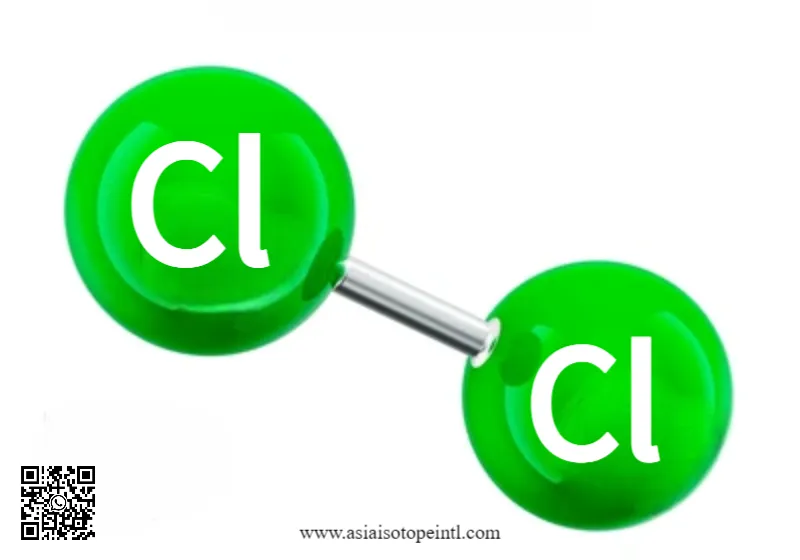
At its core, chlorine gas (CAS 7782-50-5) is a diatomic halogen with a molecular weight of 70.9 g/mol and a boiling point of -34°C. At room temperature, it exists as a yellow-green gas with a characteristic pungent odor. For pharmaceutical applications, chlorine is supplied in high-pressure cylinders or ton containers as a liquefied compressed gas. What makes chlorine particularly valuable in pharmaceutical synthesis is its ability to participate in electrophilic chlorination reactions, introducing chlorine atoms into organic molecules through substitution or addition pathways. The introduction of chlorine into drug molecules is not merely a synthetic convenience—it is often a pharmacologically critical modification. Chlorine atoms can dramatically alter a drug’s lipophilicity, metabolic stability, and binding affinity to biological targets, making them essential for drug efficacy.
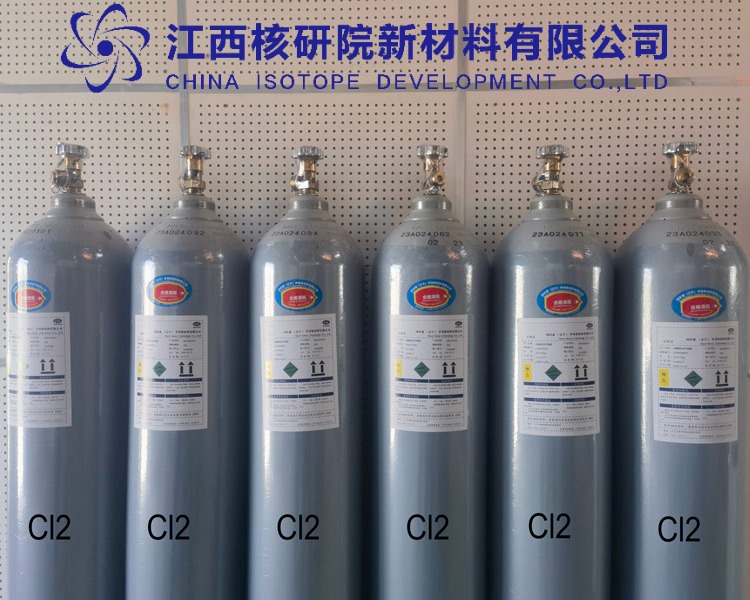
The pharmaceutical industry’s demand for high-purity chlorine has remained robust alongside the growth of global drug consumption. The global chlorinated pharmaceutical intermediates market, driven by demand for antibiotics, antiallergics, anti-inflammatory drugs, and antitumor agents, has seen steady growth. This growth is propelled by the increasing global population, rising prevalence of chronic diseases, and the continuous development of new chlorinated drug candidates. China Isotope Development Co Ltd supply high purity Chlorine gas up to 99.9995% (5N5) and higher, depending on customer requirements. As the professional supplier, China Isotope Development maintain strict quality control for consistent purity with very low levels of impurities such as oxygen, moisture, and hydrocarbons, to meet client high tech requirements.
1. API Synthesis: The Largest Application of Chlorine in Pharmaceuticals
The synthesis of active pharmaceutical ingredients (APIs) represents the largest-volume application of chlorine gas in the pharmaceutical industry. Chlorine serves as the core chlorinating agent in organic chlorination reactions, providing the chlorine substituents that are often essential for drug activity.
Chlorine is used extensively in the synthesis of antibiotics, one of the most important classes of pharmaceuticals. In the production of penicillins and cephalosporins—two of the most widely used antibiotic families—chlorine is used to introduce chlorine atoms into intermediate structures during synthesis. These chlorinated intermediates are essential building blocks that subsequently undergo further transformations to yield the final active drug molecules. Chloramphenicol, an antibiotic with a broad spectrum of activity, contains a dichloroacetamide moiety that is introduced through chlorination reactions using chlorine gas.
The fluoroquinolone antibiotics, including levofloxacin and ciprofloxacin, also involve chlorination steps in their synthesis. These drugs, which are critical for treating respiratory infections, urinary tract infections, and other bacterial diseases, rely on precisely controlled chlorination to achieve the desired chemical structure and pharmacological activity.
Beyond antibiotics, chlorine plays a significant role in the synthesis of analgesic and anti-inflammatory drugs. Diclofenac sodium—one of the most widely used nonsteroidal anti-inflammatory drugs (NSAIDs) worldwide—contains a dichlorophenyl ring structure that is assembled through chlorination steps using chlorine gas. The chlorine atoms in diclofenac are essential for its potency as a cyclooxygenase inhibitor. Loratadine, a commonly used antihistamine, and ambroxol hydrochloride, a mucolytic agent used in respiratory therapy, are produced through synthetic pathways that include chlorination steps utilizing chlorine gas.
Hormonal drugs and psychotropic medications also rely on chlorination chemistry. In the production of corticosteroids—used to treat inflammation, autoimmune conditions, and hormonal imbalances—chlorine gas is employed in selective chlorination steps that introduce chlorine atoms at specific positions in the steroid skeleton. These chlorinated modifications enhance the therapeutic activity and metabolic stability of the hormone analogs. Antidepressants, sedatives, and antipsychotic agents often contain chlorine substituents introduced through chlorination reactions that are essential for their central nervous system activity.
Antitumor agents represent another important category where chlorine chemistry is essential. Numerous chemotherapeutic drugs contain chlorinated aromatic ring structures that are synthesized through halogenation reactions using chlorine gas. The chlorine atoms in these molecules contribute to their ability to intercalate DNA, inhibit topoisomerases, or otherwise disrupt cancer cell proliferation. The synthesis of many targeted anticancer therapies continues to rely on chlorination chemistry for the construction of key molecular scaffolds.
2. Medical Disinfectants and Sterilization Products
Beyond API synthesis, chlorine gas serves as the raw material for producing a wide range of medical disinfectants and sterilizing agents. The reaction of chlorine with alkali hydroxides produces sodium hypochlorite (NaClO) and calcium hypochlorite (Ca(ClO)₂)—the active ingredients in most hospital-grade disinfectants.
Sodium hypochlorite, produced by the reaction of chlorine gas with sodium hydroxide solution, is the active ingredient in the familiar “84” medical disinfectant widely used in healthcare facilities. This disinfectant solution is used for surface disinfection in hospital wards, operating theaters, and patient care areas. Its effectiveness against a broad spectrum of pathogens—including bacteria, viruses, fungi, and spores—makes it an essential tool for infection prevention and control.
In medical device sterilization, chlorine-based disinfectants are used for the immersion disinfection of endoscopes and non-invasive medical instruments. The ability of chlorine-based disinfectants to achieve high-level disinfection without damaging delicate instruments has made them a preferred choice for many clinical applications. Laboratory workbenches and biological waste decontamination also rely on chlorine-based disinfectants to ensure biosafety.
Pharmaceutical manufacturing facilities use chlorine-derived disinfectants for the sanitation of cleanroom floors, pipes, and equipment surfaces. Controlling microbial contamination in drug manufacturing is essential for meeting Good Manufacturing Practice (GMP) requirements, and chlorine-based disinfectants provide a reliable and cost-effective means of maintaining sterile conditions.
3. Process Support Applications in Pharmaceutical Manufacturing
Chlorine gas finds applications beyond API synthesis and disinfection in process support roles that are critical for pharmaceutical production quality.
In the purification of crude APIs and plant extracts, mild chlorination or oxidation with chlorine is used for decolorization. The controlled introduction of chlorine can oxidize coloring impurities—often organic pigments and degradation products—without significantly affecting the active pharmaceutical ingredient. This decolorization step is particularly important in the production of injectable formulations, where product color is strictly regulated and must meet stringent specifications.
Pharmaceutical water systems, including purified water and process water used in drug manufacturing, are treated with chlorine-based disinfectants to control bacterial and algal growth. Maintaining the microbiological quality of process water is a fundamental requirement of GMP, and chlorine is effective at suppressing bacterial proliferation in storage tanks and distribution loops. The use of chlorine derivatives for water treatment helps ensure that water used for product formulation and equipment cleaning meets the required pharmaceutical standards.
Equipment and piping systems in pharmaceutical plants require regular cleaning and sterilization to prevent the formation of biofilms. Sodium hypochlorite solution, produced from chlorine gas, is frequently used for cleaning storage tanks, filling lines, and process piping. Periodic sanitization with chlorine-based cleaning solutions removes organic residues and microbial contaminants, ensuring the cleanliness of manufacturing equipment and preventing cross-contamination between batches.
4. Pharmaceutical Inorganic Chemicals
Chlorine gas is also used as a raw material in the production of pharmaceutical-grade inorganic compounds that serve various functions in drug formulation and manufacturing.
Ammonium chloride (NH₄Cl), produced by the reaction of chlorine-derived hydrogen chloride with ammonia, is used as an expectorant in cough medicines. Its ability to stimulate respiratory secretions makes it effective for clearing mucus from the airways. Ammonium chloride also serves as a buffering agent in pharmaceutical formulations, helping to maintain the pH of certain drug solutions within the required range.
Ferric chloride (FeCl₃), produced from chlorine gas and iron, finds application in pharmaceutical manufacturing as a hemostatic agent and as a flocculant in drug purification processes. In medicinal applications, ferric chloride is used as an astringent and as a component of certain dermatological preparations. In purification operations, it serves as a coagulant to remove suspended impurities from solutions.
Chlorine dioxide (ClO₂), generated from chlorine precursors, is used in pharmaceutical facilities for space fumigation and disinfection of cleanrooms. Its strong oxidizing properties make it effective for the decontamination of surfaces, equipment, and enclosed spaces in drug manufacturing environments. Chlorine dioxide fumigation is particularly valued for its ability to penetrate into areas that are difficult to reach with liquid disinfectants.
Chlorine Gas Cl2
5. Product Specifications and Quality Assurance
The pharmaceutical industry demands high purity from chlorine gas—and for good reason. Trace contaminants can cause unwanted side reactions, introduce impurities into drug substances, or compromise the quality of disinfectant products. The purity of chlorine is directly related to the safety and efficacy of the final pharmaceutical products, and more stringent specifications are required for applications involving direct API synthesis.
Typical specifications for high-purity pharmaceutical-grade chlorine include:
| Parameter | 5N Specification |
|---|---|
| Purity | ≥ 99.999% |
| Moisture (H₂O) | ≤ 0.5 ppm |
| Carbon Dioxide (CO₂) | ≤ 1 ppm |
| Carbon Monoxide (CO) | ≤ 1 ppm |
| Total Metals | ≤ 1 ppb each |
These specifications are verified through comprehensive analytical testing, including gas chromatography, mass spectrometry, and atomic absorption spectroscopy. Each batch of product is accompanied by a Certificate of Analysis documenting the measured impurity levels. For applications requiring even higher purity, such as the synthesis of injectable APIs, chlorine purity may need to exceed 99.9999% (6N).
Chlorine is supplied in high-pressure cylinders ranging from 47 liters to 1-ton containers. The cylinders are constructed from specialized materials—typically carbon steel or stainless steel—designed to resist corrosion and prevent contamination. Given chlorine’s toxic and corrosive nature, storage and handling require dedicated facilities with continuous exhaust ventilation, leak detection systems, and automatic shutoff valves.
6. Safety Considerations: Managing the Toxic and Corrosive Nature of Chlorine
Chlorine’s toxicity and corrosivity demand rigorous safety protocols throughout its supply chain. As a Class 2 toxic gas and an oxidizer, chlorine presents significant hazards to personnel and equipment if not handled properly.
Key safety measures for chlorine handling in pharmaceutical facilities include:
6.1 Storage:
Chlorine cylinders must be stored in well-ventilated areas, away from combustible materials, reducing agents, and sources of ignition. Cylinders should be secured to prevent falling and should be stored separately from incompatible materials such as ammonia, hydrogen, and hydrocarbons. Storage areas should be equipped with chlorine detection instruments and emergency ventilation systems.
6.2 Personal Protective Equipment:
Operators handling chlorine should wear appropriate PPE, including chemical-resistant gloves, safety goggles or face shields, protective clothing, and, where necessary, respiratory protection. Training on the proper use of PPE and emergency response procedures is essential.
6.3 Leak Detection:
Facilities using chlorine must be equipped with continuous gas monitoring systems capable of detecting chlorine at concentrations below the permissible exposure limit. Chlorine’s characteristic pungent odor provides some warning, but detection instruments are essential for safety.
6.4 Emergency Response:
Pharmaceutical facilities must have established emergency response procedures, including evacuation plans, spill containment, and neutralization protocols. Chlorine leaks can be mitigated by water spray or by neutralizing with caustic solutions. Emergency response equipment should be readily available and maintained in good working condition.
The investment in safety infrastructure—gas cabinets, detection systems, scrubbers, and training—is substantial but non-negotiable for any organization working with this critical but hazardous gas.
7. The Road Ahead: Chlorine in Next-Generation Pharmaceutical Manufacturing
As the pharmaceutical industry embraces continuous manufacturing, green chemistry principles, and increasingly potent drug candidates, the role of chlorine continues to evolve. Several trends are shaping the future of chlorine in pharmaceutical manufacturing:
7.1 Green Chlorination:
The development of catalytic chlorination processes that minimize waste and improve atom economy is gaining momentum. Technologies that use chlorine gas more efficiently and generate fewer byproducts are being adopted to reduce environmental impact and operating costs.
7.2 Continuous Processing:
The transition from batch to continuous manufacturing in the pharmaceutical industry is creating new opportunities for chlorine-based chemistry. Continuous chlorination reactors offer improved process control, enhanced safety, and higher productivity compared to traditional batch reactors.
7.3 Analytical Advances:
Enhanced process analytical technology (PAT) tools are enabling real-time monitoring of chlorination reactions, improving reaction control and product consistency. These analytical advances are particularly important for pharmaceutical applications where product purity and reproducibility are paramount.
7.4 Bioprocessing Applications:
Emerging applications of chlorine-based disinfection in biopharmaceutical manufacturing are expanding the demand for chlorine derivatives. Single-use bioprocessing systems require effective sanitization, and chlorine-based agents are being evaluated for compatibility with these systems.
Chlorine gas stands as one of the foundational chemical raw materials of the pharmaceutical industry—a simple diatomic molecule that enables the synthesis of complex drug structures and ensures the sterility of pharmaceutical products. From the chlorinated antibiotics that fight bacterial infections to the disinfectants that protect hospital environments, from the hormones and psychotropics that treat chronic conditions to the anticancer agents that save lives, chlorine’s versatility and performance have made it indispensable. For the pharmaceutical professional who understands the nuances of chemical synthesis and GMP compliance, chlorine is not merely a reagent—it is the enabler of drug development, the guardian of product purity, and the essential partner in the quest to improve global health.
Would you like a deeper dive into any specific technical parameters or applications?
As an industry leader focused in Specialty Gases , our goal is to support our customers by keeping them at the forefront of their industries. We’re here to help with any questions you might have so you can transform your ideas into reality, and tackle those big science challenges.
Get free consultant, our experts are ready to serve.
(Follow up our update articles on www.asiaisotopeintl.com or send your comments to tao.hu@asiaisotope.com for further communications)