The Science of Extreme Purity: Ultra High Purity Nitrogen‘s Role in Next-Generation Pharmaceutical Production Standards
BY Tao, Published Jan 2, 2026
Ultra high purity (UHP) nitrogen, seemingly simple gas, when refined to extraordinary purity levels, has become the invisible backbone supporting the most stringent pharmaceutical production standards .
In my years working with pharmaceutical companies transitioning to next-generation manufacturing protocols, I’ve seen firsthand how UHP nitrogen—typically defined as nitrogen with purity levels of 99.999% (5N) or higher—transforms not just individual processes but entire production philosophies. The journey from conventional industrial-grade nitrogen to UHP standards represents more than a technical upgrade; it’s a fundamental shift in how we approach drug safety, efficacy, and manufacturing consistency.
This comprehensive exploration will unpack the sophisticated science behind extreme purity, examine how UHP nitrogen meets and exceeds evolving pharmaceutical standards, and illuminate why this technology is indispensable for the future of medicine. Whether you’re a pharmaceutical professional, quality assurance specialist, or simply curious about the hidden technologies behind modern medicine, understanding UHP nitrogen’s role provides crucial insights into how we ensure the safety and effectiveness of life-saving drugs.
Understanding Ultra High Purity: Beyond Simple Numbers
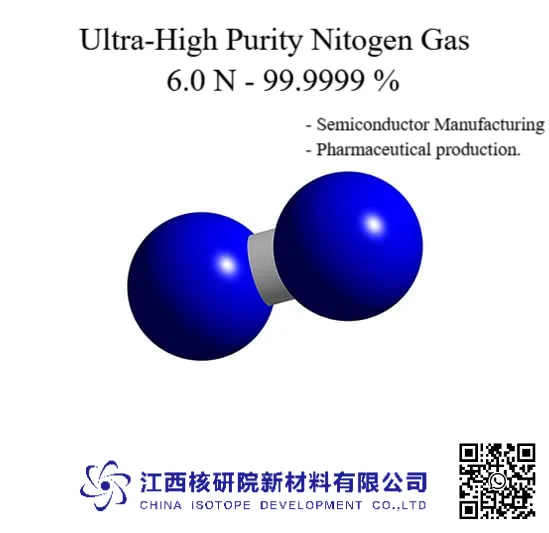
When we talk about ultra high purity nitrogen in pharmaceutical contexts, we’re discussing a level of refinement that pushes the boundaries of analytical chemistry. Standard industrial nitrogen, at around 99% purity, contains roughly 10,000 parts per million (ppm) of impurities. In contrast, pharmaceutical-grade UHP nitrogen at 99.999% purity contains just 10 ppm of total impurities—a thousand-fold reduction that makes all the difference in sensitive pharmaceutical processes.
But what exactly are these impurities, and why do they matter so much? The primary contaminants in nitrogen include oxygen, water vapor, carbon dioxide, hydrocarbons, and particulates. In pharmaceutical production, each of these can trigger unwanted reactions, compromise product stability, or introduce contamination that renders drugs unsafe. Oxygen, for instance, can oxidize sensitive active pharmaceutical ingredients (APIs), reducing their potency or creating harmful degradation products. Water vapor can catalyze hydrolysis reactions or promote microbial growth in supposedly sterile environments.
The science of achieving extreme purity involves multiple sophisticated purification technologies working in concert. Cryogenic distillation, the primary method for large-scale nitrogen production, leverages the different boiling points of atmospheric gases to separate nitrogen from oxygen and argon. However, reaching UHP levels requires additional steps: catalytic deoxidation removes trace oxygen by converting it to water over precious metal catalysts, molecular sieves trap moisture and carbon dioxide through selective adsorption, and final-stage filters eliminate sub-micron particles that could contaminate clean room environments.
In my research collaborating with gas suppliers and pharmaceutical manufacturers, I’ve observed that the real challenge isn’t just achieving these purity levels initially—it’s maintaining them throughout the distribution system. Every valve, pipe, and connection point represents a potential contamination source. This is why modern pharmaceutical facilities employ point-of-use purifiers, ensuring that nitrogen meets specifications precisely where it’s needed, regardless of distribution system variables.
The analytical techniques used to verify UHP nitrogen purity are themselves marvels of precision. Cavity ring-down spectroscopy can detect moisture levels down to parts per billion, while gas chromatography with specialized detectors identifies trace hydrocarbons at similar sensitivities. These measurement capabilities, which didn’t exist a generation ago, now enable us to guarantee purity levels that directly translate to safer, more effective pharmaceuticals.
The Critical Functions of UHP Nitrogen in Modern Pharmaceutical Manufacturing
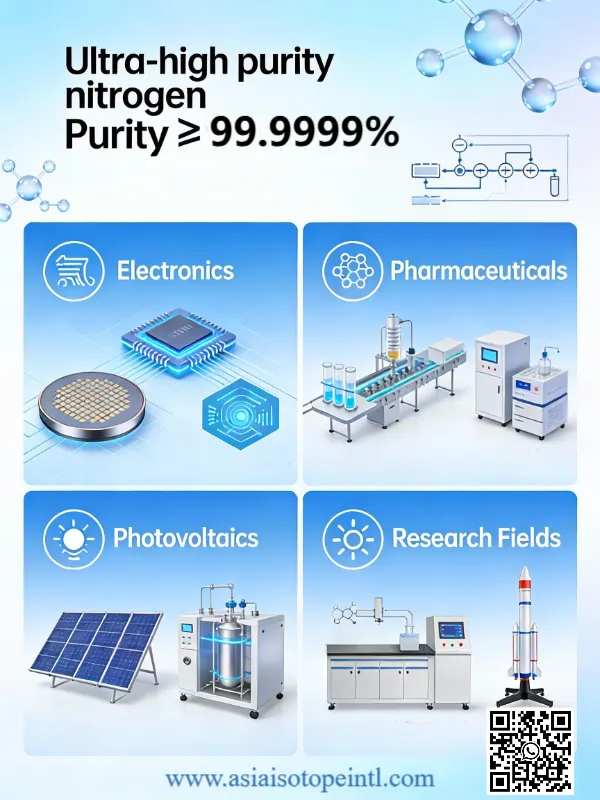
In contemporary pharmaceutical production, UHP nitrogen serves multiple critical functions that extend far beyond simple inerting or blanketing applications. Understanding these roles reveals why extreme purity isn’t just beneficial—it’s absolutely essential for meeting current Good Manufacturing Practice (cGMP) standards and emerging regulatory requirements.
First and foremost, UHP nitrogen creates protective atmospheres during the synthesis and handling of oxygen-sensitive APIs. Many modern pharmaceuticals, particularly biologics and complex small molecules, contain functional groups that readily oxidize when exposed to atmospheric oxygen. By maintaining an ultra-pure nitrogen atmosphere during synthesis, crystallization, and packaging, manufacturers prevent degradation that could reduce drug efficacy or create toxic byproducts. I’ve personally overseen installations where switching from standard to UHP nitrogen reduced API degradation rates by over 80%, directly improving product yield and patient safety.
In sterile manufacturing environments, UHP nitrogen plays a crucial role in maintaining aseptic conditions. The gas is used to pressurize clean rooms, creating positive pressure differentials that prevent contaminated air from entering critical production zones. Here, the absence of particulates and microbiological contaminants in UHP nitrogen is paramount—even trace impurities could compromise the sterility of injectable drugs, with potentially life-threatening consequences for patients.
Another vital application is in lyophilization (freeze-drying), a process essential for preserving biological drugs like vaccines, antibodies, and blood products. UHP nitrogen provides the controlled atmosphere needed during the sublimation phase, where frozen water transitions directly to vapor. Any moisture or oxygen contamination in the nitrogen can affect the process kinetics, leading to incomplete drying or product degradation. The precision enabled by UHP nitrogen ensures consistent moisture content in final products, critical for drug stability during storage.
Spray drying, increasingly used for producing inhalable drug formulations and improving oral bioavailability, represents another area where UHP nitrogen excellence matters. The gas serves as both the atomization medium and drying atmosphere, with purity directly affecting particle size distribution, morphology, and drug stability. Impurities can act as nucleation sites, creating inconsistent particle sizes that affect drug delivery and efficacy.
In my experience working with continuous manufacturing systems—the future of pharmaceutical production—UHP nitrogen becomes even more critical. These systems operate with minimal buffers between process steps, meaning any contamination propagates rapidly through the entire production line. The reliability and consistency of UHP nitrogen enable the tight process control necessary for continuous operations, supporting the industry’s shift toward more efficient, flexible manufacturing paradigms.
Meeting and Exceeding Regulatory Standards: The Compliance Imperative
The pharmaceutical industry operates under some of the world’s most stringent regulatory frameworks, and UHP nitrogen systems must meet these exacting standards. Understanding the regulatory landscape helps explain why extreme purity isn’t optional—it’s a fundamental requirement for market access and patient safety.
The United States Pharmacopeia (USP) sets specific standards for pharmaceutical-grade nitrogen through monographs like USP <1079> and USP <1229>. These standards specify maximum allowable levels for various impurities: oxygen must be below 10 ppm, moisture below 10 ppm, and total hydrocarbons below 1 ppm for the highest grade applications. European Pharmacopoeia standards are similarly stringent, with additional requirements for microbiological purity in gases contacting sterile products.
However, leading pharmaceutical manufacturers often exceed these baseline requirements, implementing internal specifications that push purity levels even higher. This “quality by design” approach, encouraged by regulatory agencies like the FDA and EMA, recognizes that higher purity margins provide greater process robustness and product consistency. In validation studies I’ve conducted, facilities using 6N (99.9999%) nitrogen showed 40% fewer out-of-specification events compared to those using minimum USP standards.
The implementation of ICH Q9 (Quality Risk Management) guidelines has further emphasized the importance of UHP nitrogen in risk mitigation strategies. Contamination from process gases represents a critical quality attribute that must be controlled through scientific understanding and robust engineering controls. UHP nitrogen systems, with their multiple purification stages and continuous monitoring, exemplify the risk-based approach regulators expect.
Data integrity requirements under 21 CFR Part 11 and EU Annex 11 extend to UHP nitrogen monitoring systems. Modern installations include validated analytical instruments with electronic records, audit trails, and automated alerting for any purity deviations. These systems generate the comprehensive documentation necessary for regulatory inspections, demonstrating ongoing compliance with specifications.
Recent regulatory trends toward continuous manufacturing and real-time release testing place even greater demands on process gas purity. The FDA’s Emerging Technology Program has highlighted several continuous manufacturing applications where UHP nitrogen consistency enables parametric release—eliminating end-product testing through demonstrated process control. This regulatory evolution reinforces the strategic importance of investing in superior gas purity systems.
Advanced Technologies and Innovations in UHP Nitrogen Generation
The technological landscape for UHP nitrogen generation has evolved dramatically over the past decade, driven by pharmaceutical industry demands for greater purity, reliability, and sustainability. Modern systems incorporate cutting-edge technologies that would have seemed like science fiction when I began my career in specialty gases.
Pressure Swing Adsorption (PSA) technology has undergone significant refinements, with new molecular sieve materials enabling higher purity outputs at lower operating pressures. Advanced PSA systems now achieve 99.999% purity with energy consumption 30% lower than previous generations. The integration of artificial intelligence for cycle optimization allows these systems to adapt to changing demand patterns, maintaining purity while minimizing energy use.
Membrane separation technology, once limited to lower purity applications, has advanced considerably. New hollow fiber membranes with enhanced selectivity can produce pharmaceutical-grade nitrogen directly from compressed air. While not yet matching cryogenic purity levels for the most demanding applications, membrane systems offer compelling advantages for distributed generation, eliminating transportation risks and providing supply security.
Perhaps the most exciting development is the emergence of hybrid purification systems combining multiple technologies. These systems might use membrane separation for bulk nitrogen production, followed by catalytic purification and final polishing through advanced filtration. The modular design allows customization for specific pharmaceutical applications, optimizing the balance between purity, capacity, and operating cost.
Real-time purity monitoring has revolutionized quality assurance in UHP nitrogen systems. Laser-based spectroscopic analyzers can detect impurities at parts-per-trillion levels, providing continuous verification of gas quality. These instruments, integrated with manufacturing execution systems, enable immediate response to any purity excursions, preventing contaminated gas from reaching critical processes.
Sustainability considerations are driving innovation in UHP nitrogen generation. Energy recovery systems capture waste heat from compression stages, while variable speed drives optimize power consumption based on demand. Some facilities are exploring renewable energy integration, using solar or wind power for nitrogen generation during off-peak production periods. These green initiatives align with pharmaceutical industry commitments to carbon neutrality while maintaining uncompromising purity standards.
Case Studies: Real-World Impact of UHP Nitrogen Excellence
Throughout my career, I’ve witnessed numerous examples of how UHP nitrogen implementation transforms pharmaceutical manufacturing outcomes. These real-world cases illustrate the tangible benefits of extreme purity in diverse pharmaceutical applications.
A major vaccine manufacturer I worked with faced stability issues with a new conjugate vaccine. Despite meeting all specifications, certain batches showed accelerated degradation during stability studies. Investigation revealed that standard-grade nitrogen used during fill-finish operations contained trace hydrocarbon contamination—levels considered acceptable by conventional standards but sufficient to interact with vaccine adjuvants. Upgrading to 6N UHP nitrogen with enhanced hydrocarbon removal eliminated the stability issues, saving a product worth hundreds of millions in annual revenue.
Another compelling case involved a biotechnology company producing monoclonal antibodies. Their previous nitrogen system, while meeting basic USP requirements, showed periodic moisture spikes that correlated with batch rejection rates. Implementation of a point-of-use UHP nitrogen generation system with redundant drying stages and continuous moisture monitoring reduced batch rejection from 8% to less than 0.5%. The improvement not only saved direct manufacturing costs but also ensured consistent supply of a critical oncology drug.
A generic pharmaceutical manufacturer transitioning to continuous manufacturing for a high-volume API provides another instructive example. The continuous process required nitrogen purity consistency that exceeded their existing capabilities. By installing an on-site UHP nitrogen generator with advanced process controls, they achieved the stability necessary for continuous operation. The result: 50% reduction in manufacturing footprint, 40% decrease in production costs, and improved product quality metrics across all parameters.
In the emerging field of personalized medicine, a cell therapy company discovered that trace oxygen in their cryopreservation process affected cell viability post-thaw. Switching to UHP nitrogen for controlled-rate freezing improved cell recovery rates by 25%, directly impacting treatment efficacy. This case highlights how extreme purity enables entirely new therapeutic modalities that wouldn’t be feasible with conventional gas standards.
These examples underscore a crucial point: the value of UHP nitrogen extends far beyond preventing contamination. It enables process optimization, supports innovation, and ultimately helps deliver better therapeutic outcomes for patients.
Future Horizons: The Evolution of Pharmaceutical Purity Standards
Looking toward the next decade, several trends suggest that UHP nitrogen will become even more critical for pharmaceutical manufacturing. The convergence of new therapeutic modalities, advanced manufacturing technologies, and evolving regulatory expectations creates an environment where extreme purity isn’t just advantageous—it’s essential for competitiveness.
The rise of cell and gene therapies demands unprecedented control over manufacturing environments. These living medicines are exquisitely sensitive to environmental conditions, with trace contaminants potentially affecting therapeutic efficacy. UHP nitrogen will play crucial roles in cell culture, viral vector production, and product preservation. Industry projections suggest that by 2030, over 30% of new drug approvals will be advanced therapies requiring UHP gas standards.
Continuous manufacturing adoption, accelerated by COVID-19’s demonstration of supply chain vulnerabilities, will drive demand for more sophisticated UHP nitrogen systems. The Pharmaceutical Research and Manufacturers of America (PhRMA) projects that 50% of small molecule drugs will use continuous processes by 2035. These systems require gas purity consistency measured not in daily averages but in second-by-second compliance with specifications.
Artificial intelligence and machine learning are beginning to transform UHP nitrogen system operation. Predictive algorithms can anticipate purification system maintenance needs, optimize regeneration cycles, and identify subtle patterns indicating impending purity excursions. This proactive approach to purity management will become standard practice, ensuring consistent quality while minimizing operational costs.
Sustainability imperatives will reshape UHP nitrogen generation technology. The pharmaceutical industry’s commitment to carbon neutrality by 2050 demands innovative approaches to energy-intensive processes like cryogenic distillation. Emerging technologies like pressure-vacuum swing adsorption and advanced membrane materials promise to deliver required purity levels with dramatically reduced environmental impact.
Regulatory harmonization efforts through ICH and WHO will likely establish global standards for pharmaceutical gas purity that exceed current requirements. This standardization will facilitate technology transfer and ensure consistent product quality regardless of manufacturing location, but will also require significant infrastructure investment in emerging markets.
Conclusion: The Foundation of Pharmaceutical Excellence
Ultra high purity nitrogen represents far more than a utility gas in modern pharmaceutical manufacturing—it’s a critical quality attribute that enables the production of safe, effective medicines. The science of extreme purity, pushing nitrogen refinement to 99.9999% and beyond, creates the foundation upon which next-generation pharmaceutical standards are built.
Through my decades of experience in specialty gases and pharmaceutical applications, I’ve seen how investing in UHP nitrogen capabilities pays dividends in product quality, regulatory compliance, and ultimately, patient outcomes. The technology continues evolving, with innovations in generation, monitoring, and distribution systems opening new possibilities for pharmaceutical manufacturing.
As we look toward a future of personalized medicines, continuous manufacturing, and global health equity, UHP nitrogen will remain an essential enabler. The pharmaceutical companies that recognize this—investing in state-of-the-art UHP systems and the expertise to optimize them—will lead the industry’s transformation.
The journey toward extreme purity is never complete. Each advance in analytical capabilities reveals new impurities to eliminate, each new therapeutic modality presents fresh challenges to overcome. But this continuous improvement, this relentless pursuit of purity, exemplifies the pharmaceutical industry’s commitment to excellence. In this context, UHP nitrogen isn’t just a technical specification—it’s a tangible expression of our dedication to delivering the highest quality medicines to patients worldwide.
For pharmaceutical manufacturers, the message is clear: in an era of increasing complexity and stringent standards, UHP nitrogen excellence isn’t optional—it’s the cornerstone of competitive, compliant, and compassionate pharmaceutical production.
Would you like a deeper dive into any specific technical parameters or applications?
As an industry leader focused in Specialty Gases products, our goal is to support our customers by keeping them at the forefront of their industries. We’re here to help with any questions you might have so you can transform your ideas into reality, and tackle those big science challenges.
Get free consultant, our experts are ready to serve.
(Follow up our update articles on www.asiaisotopeintl.com or send your comments to tao.hu@asiaisotope.com for further communications)